
When Facebook Becomes the Judge: Social Media Disputes in Construction and How Contract Templates Can Protect You
In today’s digital world, tradespeople aren’t just managing job sites — they’re also dealing with the court of public opinion. It’s become increasingly common for customers to post pictures of ongoing or completed work in Facebook groups or community forums, asking questions like: “Does this look right?” or “Is this good quality?”
The responses can be a mix of helpful, irrelevant, or outright harmful. Often, individuals who claim to have trade experience chime in with strong opinions — sometimes without knowing the full context. Before long, a customer may begin to question your work based solely on online feedback, leading to awkward conversations, disputes, or even withheld payments.
This growing trend highlights why clear, professional construction contract templates are more important than ever.
Social Media Opinions Are Fueling On-Site Disputes
Imagine finishing a tiling job to spec. You’ve followed the agreed plan, used quality materials, and everything is structurally sound. The customer, seemingly happy, posts a photo in a local Facebook group — just “out of curiosity.” Within hours, comments flood in:
-
“That grout line looks off.”
-
“I’d never install it like that.”
-
“You’ve been ripped off, mate.”
Some commenters might genuinely work in the trade, others might not. Regardless, their feedback can influence the customer’s perception and trigger doubts. Suddenly, you're facing a frustrated client who’s considering holding back payment — not because of your work, but because of what strangers online have said.
Why This Matters for Builders and Contractors
This situation creates several real risks:
-
Payment delays or refusals
-
Damage to your professional reputation
-
Unnecessary rework or site revisits
-
Legal threats or small claims actions
The worst part? Many of these situations are entirely preventable — if there’s a solid contract in place that protects your position from subjective opinions.
Protecting Yourself with Clear Contract Templates
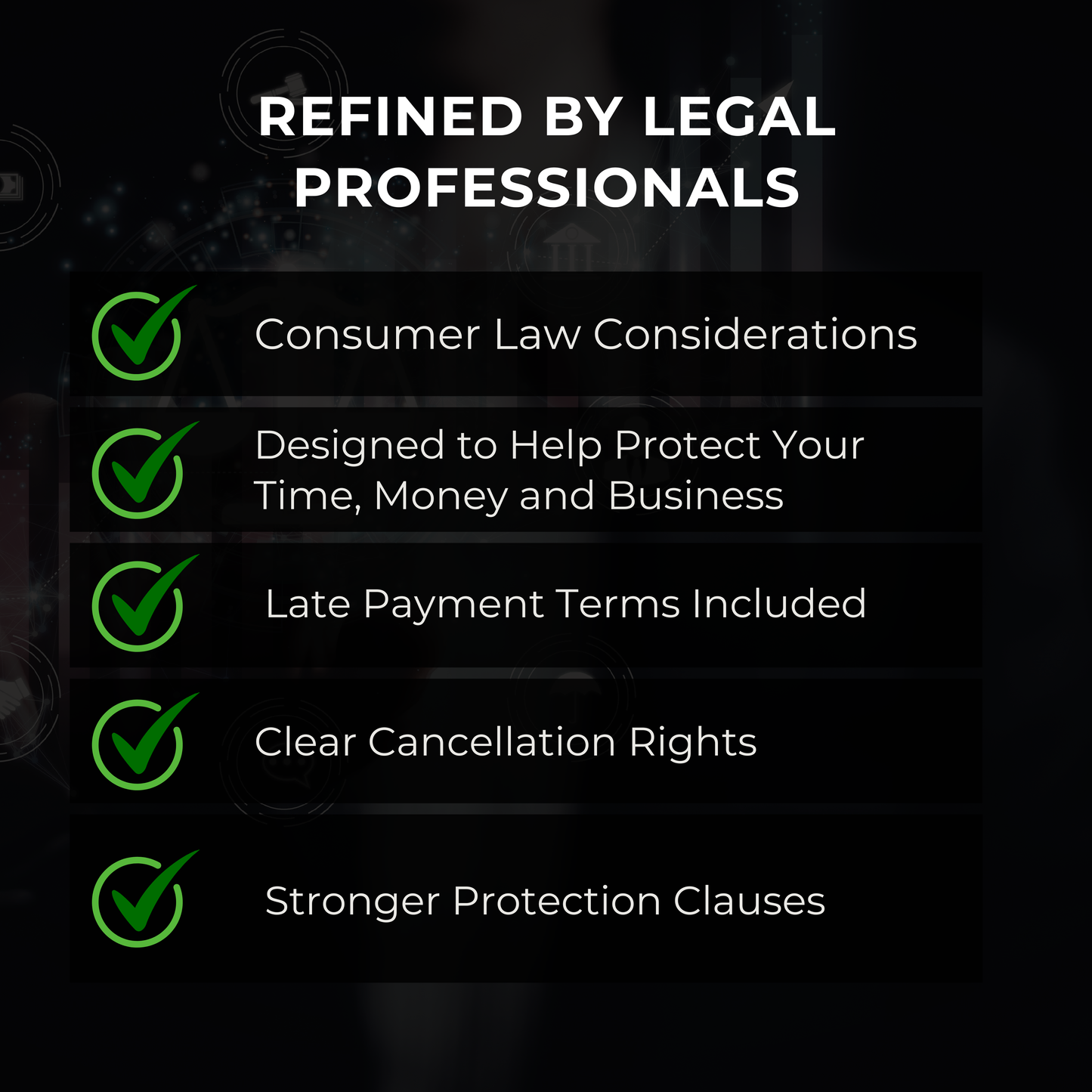
This is where proper documentation comes in. A well-drafted construction contract template gives you something to fall back on when disputes arise. It should clearly outline:
-
The agreed scope of work
-
Materials and specifications
-
Completion standards
-
Payment terms
-
Dispute resolution process
When a customer starts questioning your work based on outside input, you can refer them back to the signed contract. If you delivered exactly what was agreed upon, the contract gives you the legal clarity to stand your ground.
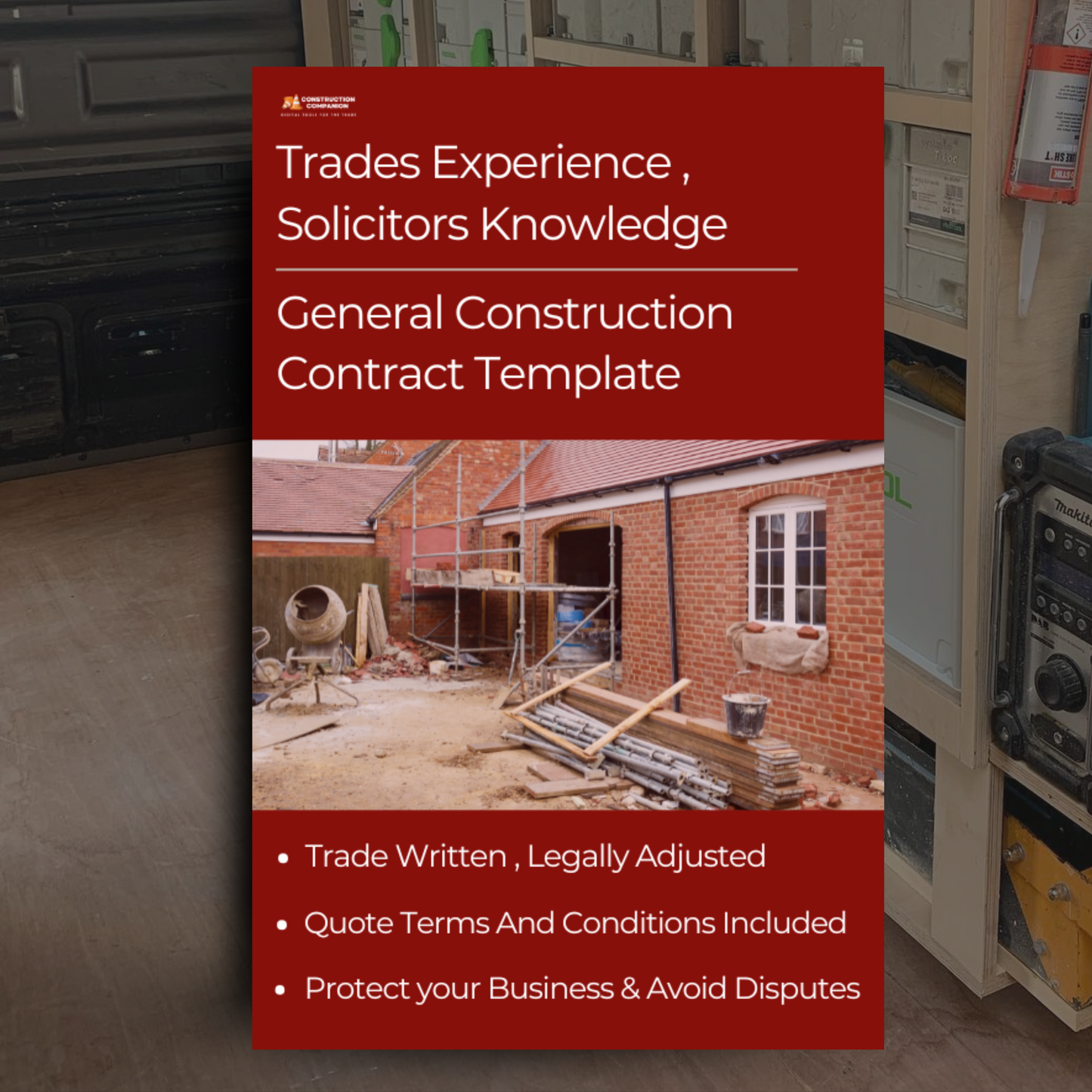
Platforms like Construction Companion offer downloadable construction contract templates built specifically for tradespeople — making it simple to protect yourself from day one.
Proactive Steps to Avoid Social Media-Driven Disputes
While you can’t stop someone from posting online, you can reduce the chances of conflict by managing expectations and protecting your position. Here’s how:
-
Educate customers upfront – Let them know what’s included in the job and what isn’t.
-
Use visual approvals – Get customer sign-off at key stages, especially for finishes.
-
Set boundaries in your contract – Include a clause that work is judged against the agreed specifications, not third-party opinions.
-
Keep communication clear and in writing – Especially when changes or concerns arise.
Final Word: Keep Control With a Contract
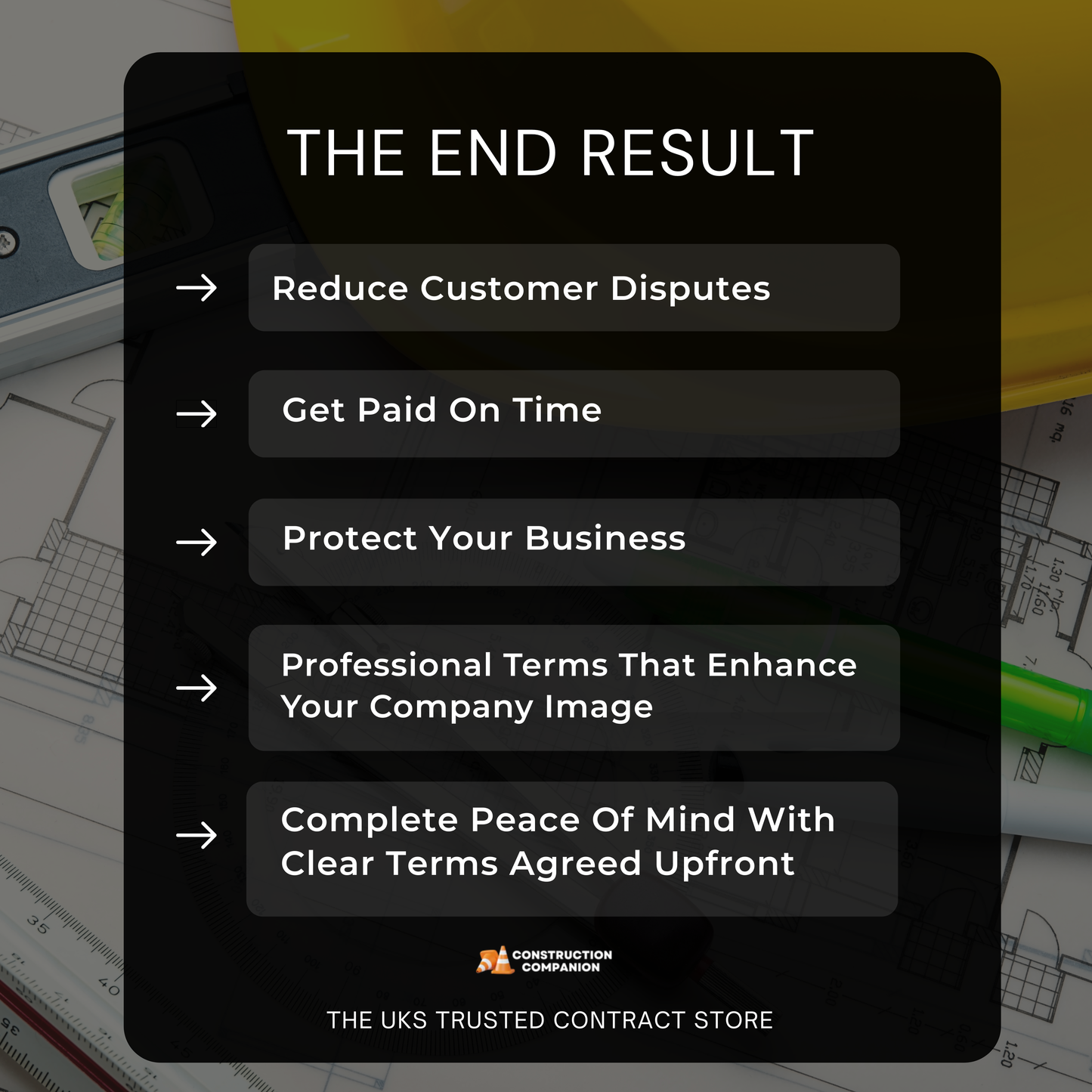
When social media becomes the battleground, it’s easy for tradespeople to feel blindsided. But the best way to defend your work — and ensure you get paid — is through a clear, professional contract.
Don’t leave your business open to the whims of Facebook commenters. Start every job with a strong construction contract template, communicate clearly, and always document your agreements. It’s not just about protection — it’s about running your business with confidence.
Need a reliable contract template?
Check out Construction Companion’s range of construction contract templates designed for builders, contractors, and tradespeople. Easy to use, legally sound, and built to keep you in control.